Common Myths About Music Licensing Debunked


Understanding Music Licensing
Music licensing is an essential aspect of the music industry, yet it remains misunderstood by many. Whether you're a musician, a filmmaker, or a content creator, understanding the realities of music licensing is crucial. Let's debunk some common myths.
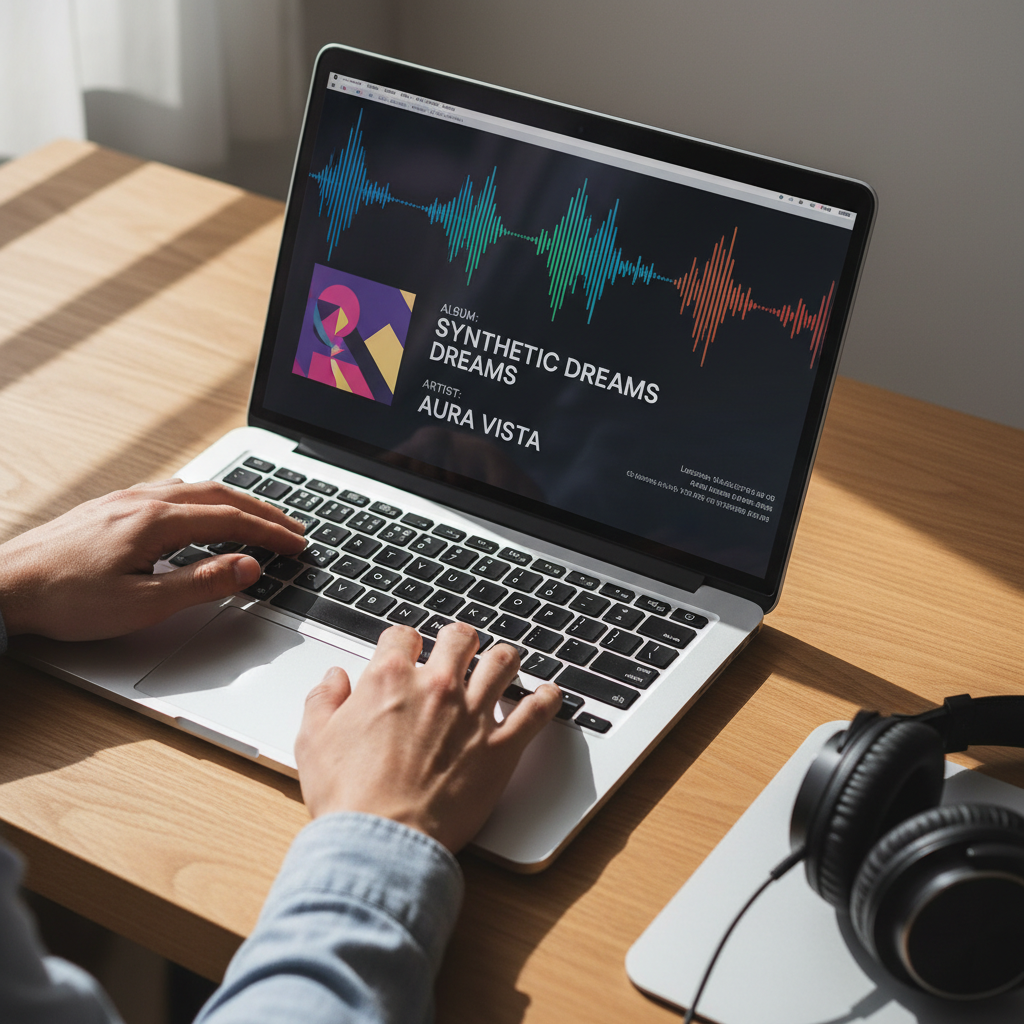
Myth 1: All Music Is Free to Use If No Profit Is Made
A widespread belief is that music can be freely used if it's not for profit. This is false. Copyright laws apply regardless of the intent to make money. Using music without proper licensing can lead to legal consequences, even if it's just for personal or nonprofit projects.
Myth 2: Purchasing a Song Means Owning the Rights
Many people assume that buying a song from a platform like iTunes gives them full rights to use it in any way they wish. In reality, purchasing a song only grants you the right to listen to it. Licensing for public use, reproduction, or distribution requires separate permission.
Myth 3: Royalty-Free Music Means No Restrictions
The term "royalty-free" often leads to confusion. It doesn't mean the music is free of any restrictions. Instead, it means you pay a one-time fee to use the music without ongoing royalties. However, there are still terms and conditions to consider.

Debunking Misunderstandings About Licensing Types
Understanding the different types of licenses is crucial in navigating music usage. Let's clear up some misconceptions related to licensing types.
Myth 4: Creative Commons Means No Rules
Creative Commons licenses offer flexibility, but they aren’t devoid of rules. Each type of Creative Commons license comes with its own set of permissions and restrictions. Some may require attribution, while others might prohibit commercial use.
Myth 5: Sync Licenses Are Only for Films
While sync licenses are essential for films, they’re not exclusive to them. Any project that pairs music with visual media, such as advertisements or YouTube videos, requires a sync license. This ensures both the music and visual content are legally protected.
The Importance of Proper Licensing
Proper music licensing is more than a legal obligation; it's a way to respect the artists who create the music. By debunking these myths, we aim to foster a better understanding of music licensing practices.
Myth 6: Small Projects Don’t Need Licensing
Even small projects need proper licensing. Whether you're creating a short film or a podcast, ensuring you have the proper licenses is essential to avoid potential legal issues down the line.
In conclusion, understanding the realities of music licensing is vital for anyone involved in using music in their projects. By debunking these common myths, you can make informed decisions and respect the creative rights of musicians.