
Understanding Music Copyright Law: A Comprehensive Guide for Artists


Introduction to Music Copyright
In the world of music, copyright law plays a crucial role in protecting the rights of artists and ensuring they receive fair compensation for their work. Understanding these laws can be daunting, but it's essential for anyone involved in the creation, distribution, or performance of music. This guide will walk you through the fundamentals of music copyright law, helping you navigate this complex landscape.
Copyright law grants creators exclusive rights to their original works. These rights include reproduction, distribution, performance, and the creation of derivative works. For musicians, this means they control how their music is used and can monetize their creative efforts effectively.
What Is Protected Under Copyright Law?
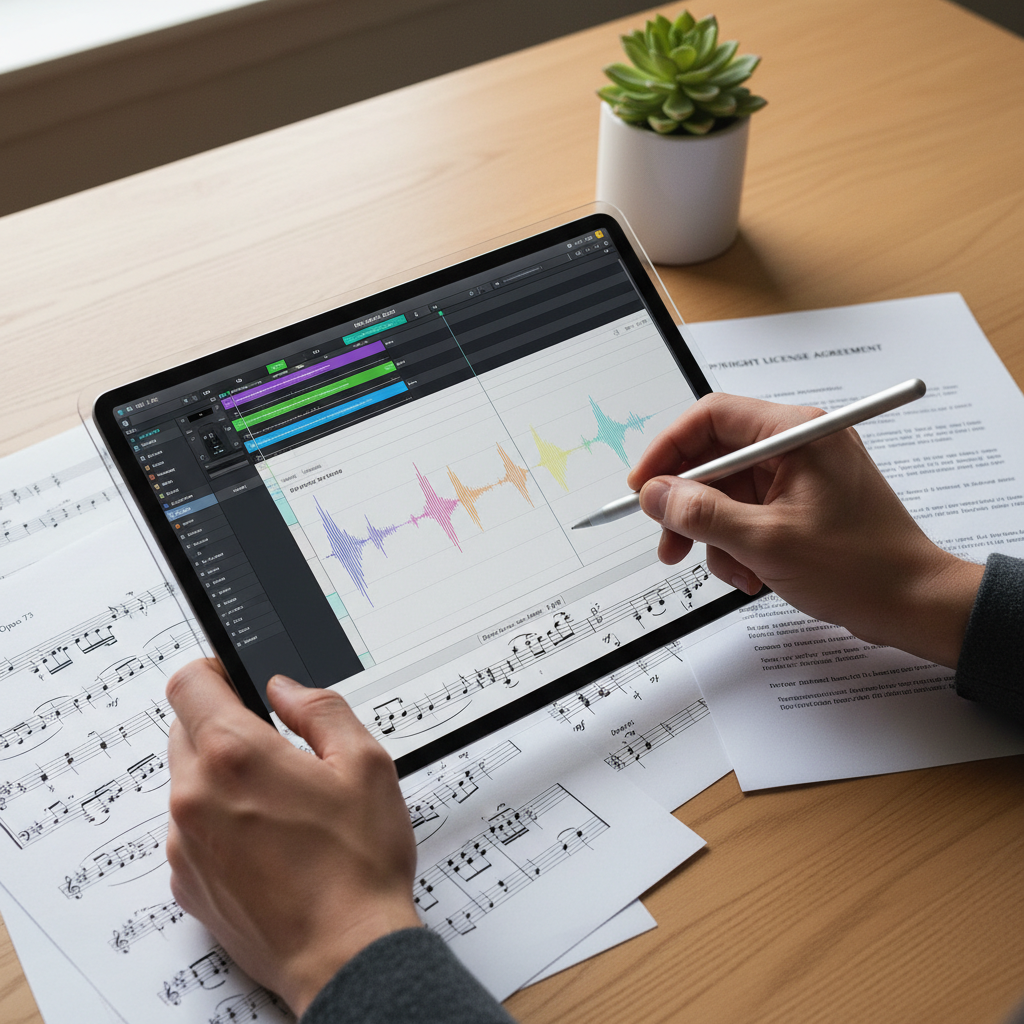
Music copyright covers a wide range of elements, from lyrics and compositions to recordings. It's important to understand that copyright protection applies to the expression of ideas, not the ideas themselves. This means that while a musical concept can't be copyrighted, the specific arrangement or recording of that concept can be.
There are two main types of music copyrights: musical works and sound recordings. Musical works cover the notes and lyrics, while sound recordings pertain to the actual recorded performance. Both types can be separately owned and licensed.
How to Secure Copyright for Your Music
Securing copyright for your music is a straightforward process. In many countries, copyright protection is automatically granted when a work is created and fixed in a tangible form. However, registering your work with a copyright office can provide additional legal benefits, such as public record of your copyright and the ability to sue for infringement.

To register your music, you'll typically need to fill out a form and submit a copy of your work. In return, you'll receive a certificate of registration, offering proof of your rights in case of disputes.
Licensing and Royalties
Once you have secured copyright protection, you can license your music to others. This allows you to earn royalties whenever your music is played, performed, or reproduced. There are several types of licenses, including mechanical, synchronization, and performance licenses, each serving different purposes.
Understanding royalties is essential for maximizing your earnings. Performance royalties are paid when your music is played in public, while mechanical royalties are earned from physical or digital reproductions. Synchronization royalties come from the use of your music in visual media like films and commercials.
Protecting Your Rights: Dealing with Infringement
Despite best efforts, copyright infringement can occur. When someone uses your music without permission, it’s important to know your rights and the steps you can take to address the issue. Legal action can be a last resort, but often, a cease and desist letter can resolve the situation amicably.
Monitoring your music's use and working with a professional rights organization can help safeguard your rights. These organizations can track performances and ensure you receive the royalties you're entitled to.
Conclusion
Understanding music copyright law is essential for every artist. It not only protects your creative works but also ensures you can make a living from your art. By familiarizing yourself with the laws and taking proactive steps to secure your rights, you can focus on what you do best: creating music.
For further information, consider consulting with a legal expert specializing in intellectual property. They can provide personalized advice to help you navigate the complexities of music copyright law effectively.